














The Fast Facts
- Probiotics for women can help with everything from bloating to reducing yeast infections.
- Probiotics for vaginal health can be useful for transgender women in the neovagina, too.
- Garden of Life Once Daily Probiotic is our pick for overall women’s health
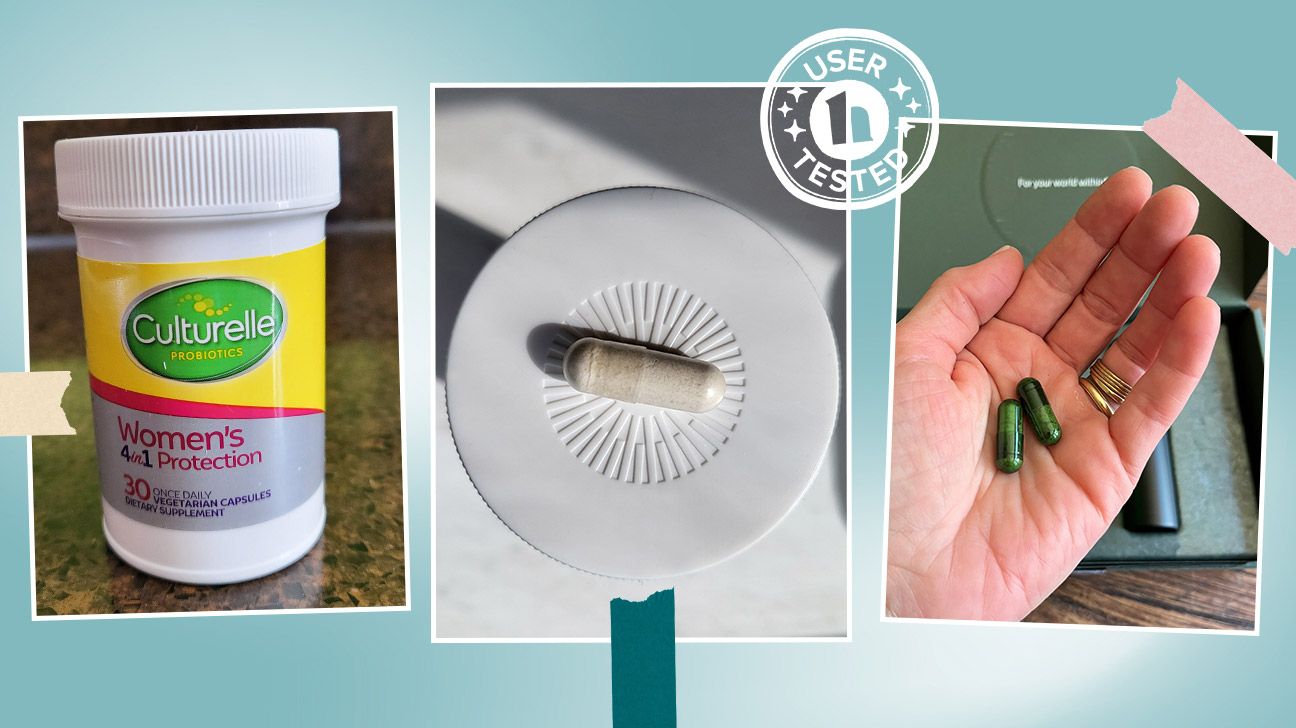
With so many probiotic products on the market, it can be overwhelming to choose the right one for your needs. Here are our recommendations for the best probiotics for women, chosen by our registered dietitians and tried by our panel of testers.
Pricing guide
- $ = under $20
- $$ = $20 to $35
- $$$ = $36 to $50
- $$$$ = over $50
• immune
• vaginal
• immune
• skin
• heart
• immune
• digestive
• immune
$$$
• vaginal
• urinary tract
• immune
• urinary tract
• vaginal
• immune
• digestive
• immune
• vaginal
• immune
• immune
• vaginal
• urinary tract
Our Medical Standards and Insights team has carefully researched and vetted over 11,000 products and services. We fact-check health claims, evaluate ingredients, and look into each brand’s reputation before sharing products and services on Healthline.
To choose the products on this page, we considered all the probiotics that passed our vetting process. Then, we personally tested some of them to narrow down our list even further.
Probiotics are the millions or billions of healthy bacteria and yeasts that support essential functions of your gut microbiome. They can cleanse, reset, and support so many bodily processes, and women’s interest in purchasing probiotics could span anything from:
- gut health for mental health
- digestion
- nutrient absorption
- immunity
- urinary tract and vaginal bacterial balance
- acne
What’s more, 2023 research finds that the neovaginal microbiome (bacterial environment) responds well to lactobacilli, the bacteria helpful for fortifying vaginal health, similar to cisgender women.
Certain foods include probiotics, such as yogurt, cheese, and fermented food and drink. Probiotic supplements include these microorganisms in capsules or tablets.
There are a few key factors to keep in mind when shopping for a probiotic supplement:
- Specific strains: Not all probiotic strains behave the same way, so consider which ones are included in the product. If you want to improve digestion, for example, you might look for a probiotic containing Lactobacillus acidophilus NCFM and Bacillus coagulans. Alternatively, if you’re concerned about vaginal health, look for strains like Lactobacillus acidophilus, Lactobacillus reuteri, and/or Lactobacillus rhamnosus. These and other strains may also help with bloating or reduce the frequency of UTIs. Learn more about the best probiotic strains for women below.
- Other ingredients: Some probiotics will include additional ingredients like prebiotic fiber, postbiotics, or cranberry extract. These may offer additional benefits but could also be problematic for some people. For example, prebiotic fiber could actually worsen digestive symptoms in individuals with IBS. Alternatively, a probiotic that includes cranberry extract might further support vaginal health.
- CFU count: The CFU count in a probiotic supplement refers to the number of live bacteria it contains. Most supplements provide 1 to 10 billion CFU per serving, though this can vary. Look for a product that contains at least
100 million to 1 billion CFU , which is the minimum effective daily dose for probiotics. - Storage needs: Most probiotics are shelf-stable and can be stored at room temperature, while others require refrigeration because they are more sensitive to heat and moisture.
- Third-party testing: Selecting a probiotic that has been tested by an independent lab or certified by a third-party organization, such as NSF International, can help verify its safety, quality, and strength.
- Dietary restrictions: Some products may be certified gluten-free or vegan, which is a key consideration for those with strict dietary needs.
Important probiotic strains for women
- Bacillus coagulans: Often found in fermented foods, this strain may
alleviate symptoms of irritable bowel syndrome. - Bifidobacterium lactis: Bifidobacterium lactis is naturally present in dairy products and may help strengthen the
gut barrier and improve bowel movement frequency in adults looking for a probiotic for constipation. - Bifidobacterium longum: Known for supporting a healthy gut,
bifidobacterium longum assists in breaking down carbohydrates and fighting off harmful bacteria. - Lactobacillus acidophilus: Common in yogurt and fermented foods, this strain supports vaginal health by preventing the growth of harmful bacteria and may aid in digestion.
- Lactobacillus plantarum: Lactobacillus plantarum is present in fermented foods like kimchi and sauerkraut, and may be beneficial for
heart health and decreasing the risk of heart disease. It also has antimicrobial properties and may help increase the number of beneficial bacteria in the vagina, which could help prevent yeast infections. - Lactobacillus reuteri: Naturally occurring in the gut and breast milk, this strain may
protect against vaginitis and supports overall vaginal health, but more research is needed. - Lactobacillus rhamnosus: Lactobacillus rhamnosus is naturally present in the intestine and can help
ease digestive discomfort and support a balanced microbiome.
If you do not consume many probiotic foods and experience chronic vaginitis or UTIs, you may consider a probiotic. While probiotics in general can be helpful for supporting the gut microbiome — which may in turn strengthen immunity and support mental health, among other things — they can be particularly impactful for women’s bodies.
Probiotics offer a range of potential benefits specifically for women’s health, including:
possibly helping balance the vaginal microbiome- helping restore gut bacteria after a round of antibiotics, and they may prevent diarrhea associated with antibiotic use
- alleviating symptoms related to IBS, ulcerative colitis, and other digestive conditions
- supporting heart health
Some probiotics also contain prebiotics to support digestive health. Prebiotics provide fuel for the beneficial bacteria in your gut.
A note on probiotic supplements
No two microbiomes are the same, and probiotics may affect people differently. For this reason, it could take some trial and error to find a supplement that works for you.
Keep in mind that probiotics aren’t necessary or appropriate for everyone. Those who regularly consume probiotic-rich foods and are generally healthy may not require additional supplementation.
Consult with a healthcare professional to determine if probiotics could be beneficial for you, particularly if you’re considering them for medical reasons or experience side effects from their use.
While some women may benefit from taking a probiotic, not everyone needs one, and for some individuals, it could actually do more harm than good.
So it’s important to discuss probiotics with a doctor first to determine the appropriate strain for your needs and whether you need one at all.
Bifidobacterium lactis
Lactobacillus casei
Synbiotics
Bacillus coagulans
Bifidobacterium lactis
Lactobacillus rhamnosus
help support
Ritual’s Synbiotic+
Some women may benefit from taking a probiotic supplement for managing digestive and vaginal health and boosting immunity. Some women may not need them at all.
Because the benefits of probiotics vary greatly depending on the strain, it’s important to talk with a healthcare professional about which probiotic product might be best for your health needs.