














At-home UTI treatments may offer some relief from symptoms. We discuss six remedies you can try and offer some telehealth options if you think you need antibiotics.
Reminder for at-home UTI treatments
Remember to consult with your healthcare professional before you start taking any medication, vitamins, or supplements. They know your medical history and may offer better treatments for your UTI symptoms.
The takeaway
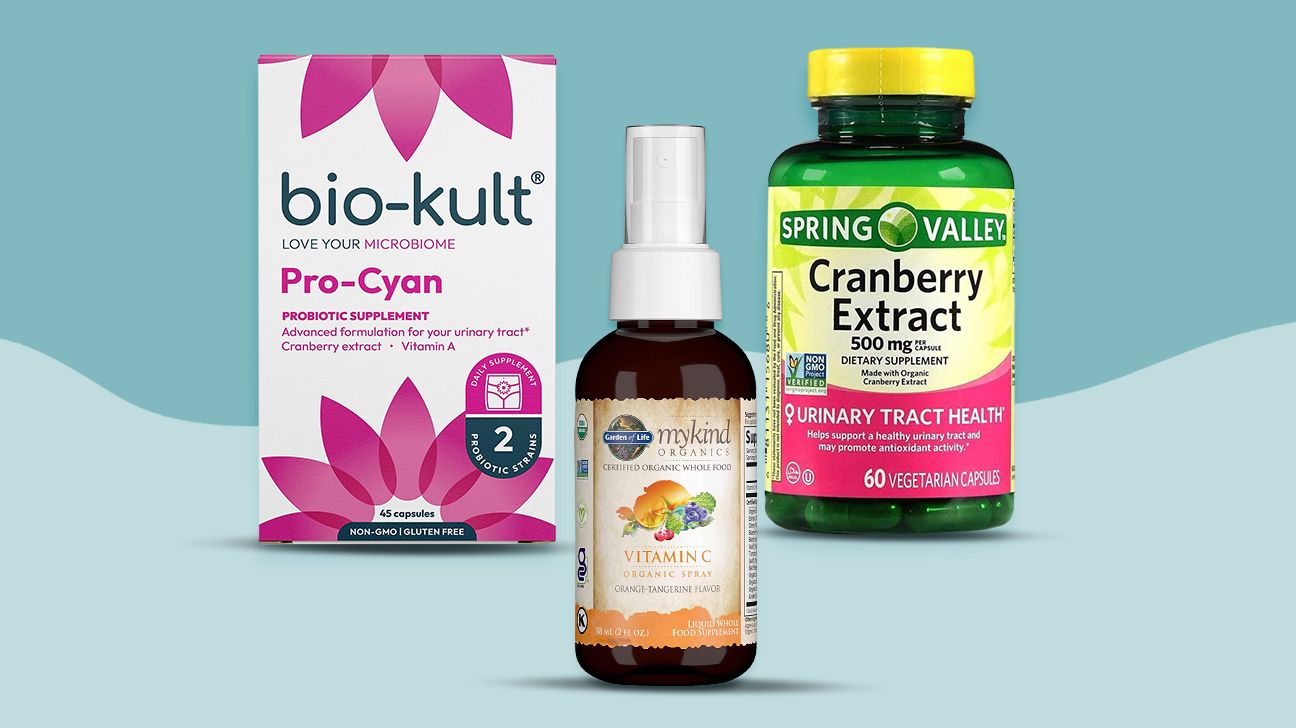
Increasing vitamin C intake may decrease your risk of UTIs by making your urine more acidic, thus killing infection-causing bacteria.
What to know
Some studies suggest that cranberries may help reduce your risk of UTIs by preventing bacteria from adhering to your urinary tract.
TL;DR
Research suggests that probiotics may help prevent UTIs and are beneficial for restoring gut bacteria after antibiotic treatment.
Takeaway
Urinating frequently and after sexual intercourse can reduce the risk of UTIs. Careful wiping after using the bathroom may also help decrease the risk of a UTI.
The short of it
Garlic hasn't been strongly linked to treating or preventing UTIs, but it does have antimicrobial and immune-supporting properties. Raw garlic or garlic supplements may have the added benefit of targeting certain bacterial strains that may be causing UTIs to return.
Urinary tract infections (UTIs) are very common. A 2022 analysis found that more than 404.6 million people worldwide had UTIs in 2019.
UTIs happen when bacteria from the skin or rectum enter the urethra. You can get an infection along any part of the urinary tract, but bladder infections are the most common.
Though UTIs can affect anyone, people assigned female at birth are
The shorter distance makes it easier for bacteria to reach the bladder. The proximity of the urethra to the vagina and rectum, which are sources of bacteria, also plays a role.
Bacteria is the
Common symptoms can include a burning sensation when peeing, cloudy or dark urine, a feeling of incomplete bladder emptying, pelvic pain, and more.
Though antibiotics typically treat UTIs, several natural ways, including those mentioned in this article, exist to help manage infections and reduce the risk of recurrence.
Here are some ways you can manage UTI symptoms that may also help prevent a recurrence:
- Stay hydrated and urinate regularly to help flush bacteria from the urinary tract and prevent infection.
- Avoid or limit foods and drinks irritating the bladder, such as coffee and soft drinks.
- Avoid holding in your pee for too long.
- Apply a heating pad or hot water bottle to minimize bladder discomfort.
- Ask your doctor about prescription or OTC pain medication.
- Take all your antibiotics as prescribed by your healthcare professional.
Don’t ignore severe UTI symptoms. Left untreated, UTIs risk severe complications, including spreading to your kidneys.
If you have UTI symptoms, it’s important to talk with a doctor. You can do this either in person or online via telehealth services.
While at-home UTI treatments may help, a healthcare professional can diagnose a UTI and prescribe antibiotics to treat the infection.
Get in touch with a healthcare professional if you experience any of
- a temperature of 100.4F (38C) or above
- chills
- nausea
- vomiting
- pain in your back, side, or groin
20% of cases
might resolve
methenamine
protection
- resting
- drinking lots of water
- taking dietary supplements
- giving the infection time to heal
can cause
sepsis
a few days
common symptoms
- a burning sensation when peeing
- cloudy, bloody, or dark urine
- constantly feeling like you have to pee
- lower abdomen pain
- a feeling of incomplete bladder emptying
UTIs are a common and frustrating problem, particularly if they keep recurring.
Home remedies and OTC products can help prevent UTIs but can’t always eliminate the bacteria causing your infection. If you’re trying home remedies but still have UTI symptoms, you can talk with a healthcare professional to avoid complications.
Staying hydrated, practicing health-promoting habits, and supplementing your diet with some UTI-fighting ingredients are good ways to lower your risk of these infections in the future.